What can playing games
tell us about young minds?
We build interactive open worlds to study behavior and mental health of young adults.
Why play
Care sees a slice.
Play is continuous.
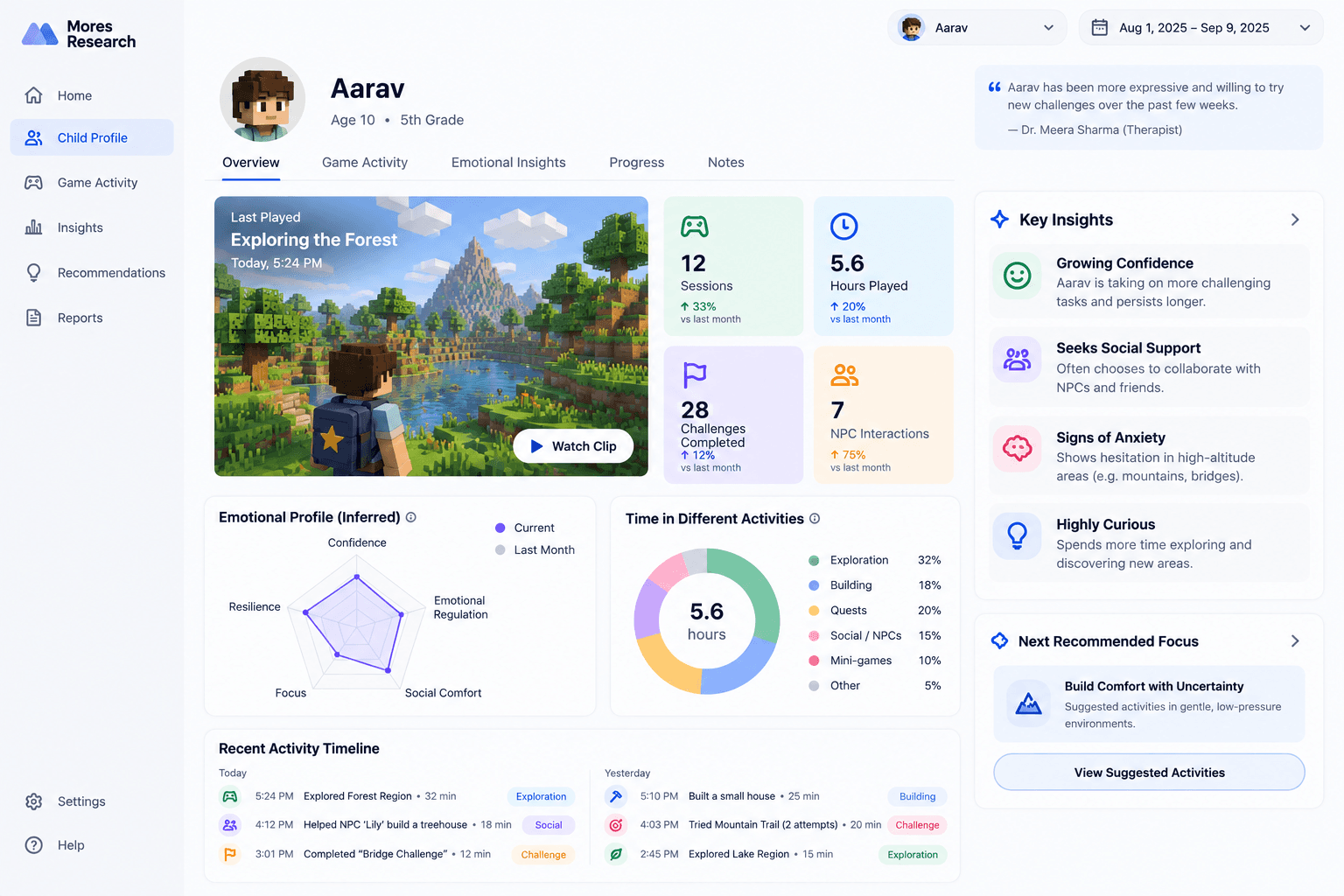
A parent sees a few hours a day. A school sees a classroom. A clinician sees forty-five minutes a week. Between appointments, almost nothing about a child’s day is observed in a structured way.
Protocols published first
Limitations stated up front
Findings published either way
Protocols published first
Limitations stated up front
Findings published either way
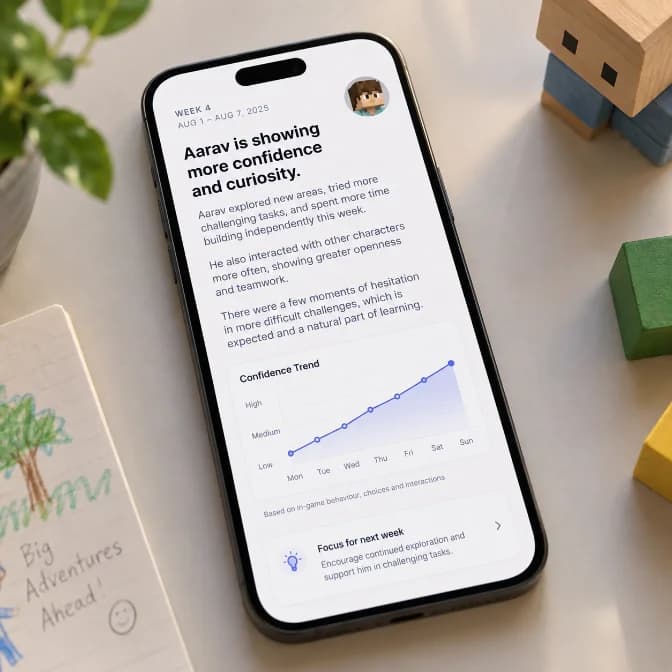
1 question
One population, one construct, one comparison at a time. Nothing else is claimed.
Mores is a research-led neolab. We build interactive environments to investigate whether patterns of playing open-world games can provide useful information for youth mental-health care and where they cannot.
OUR FIRST RESEARCH QUESTION
Can playing games unlock new signals to track kids' behavior?
We start narrow on purpose: one population, one construct, one comparison. If the answer is no, we will publish that too.
01
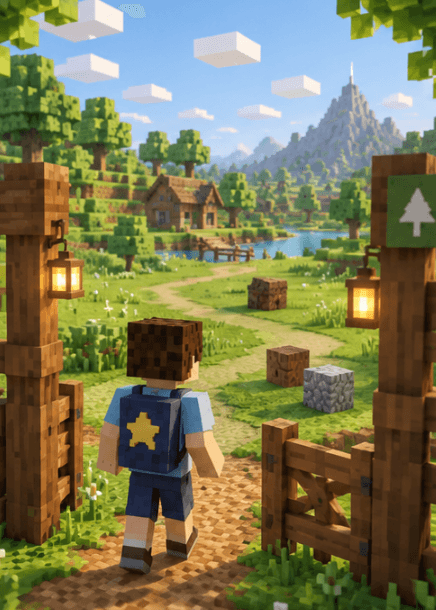
For kids & young adults
Kids and young adults play games with full consent. We have not chosen this lightly and we will say why in the protocol.
02
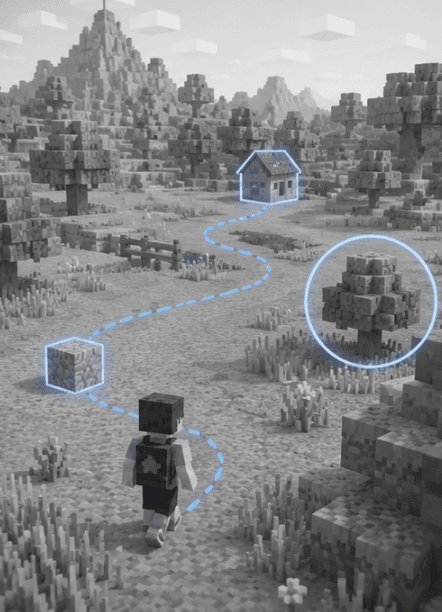
Persistence after failure
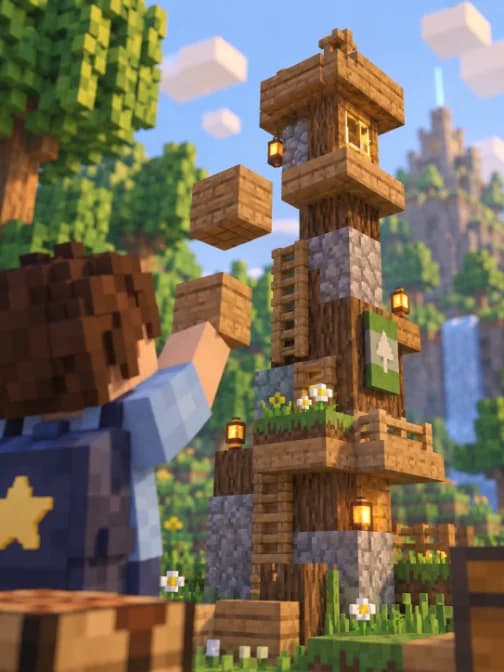
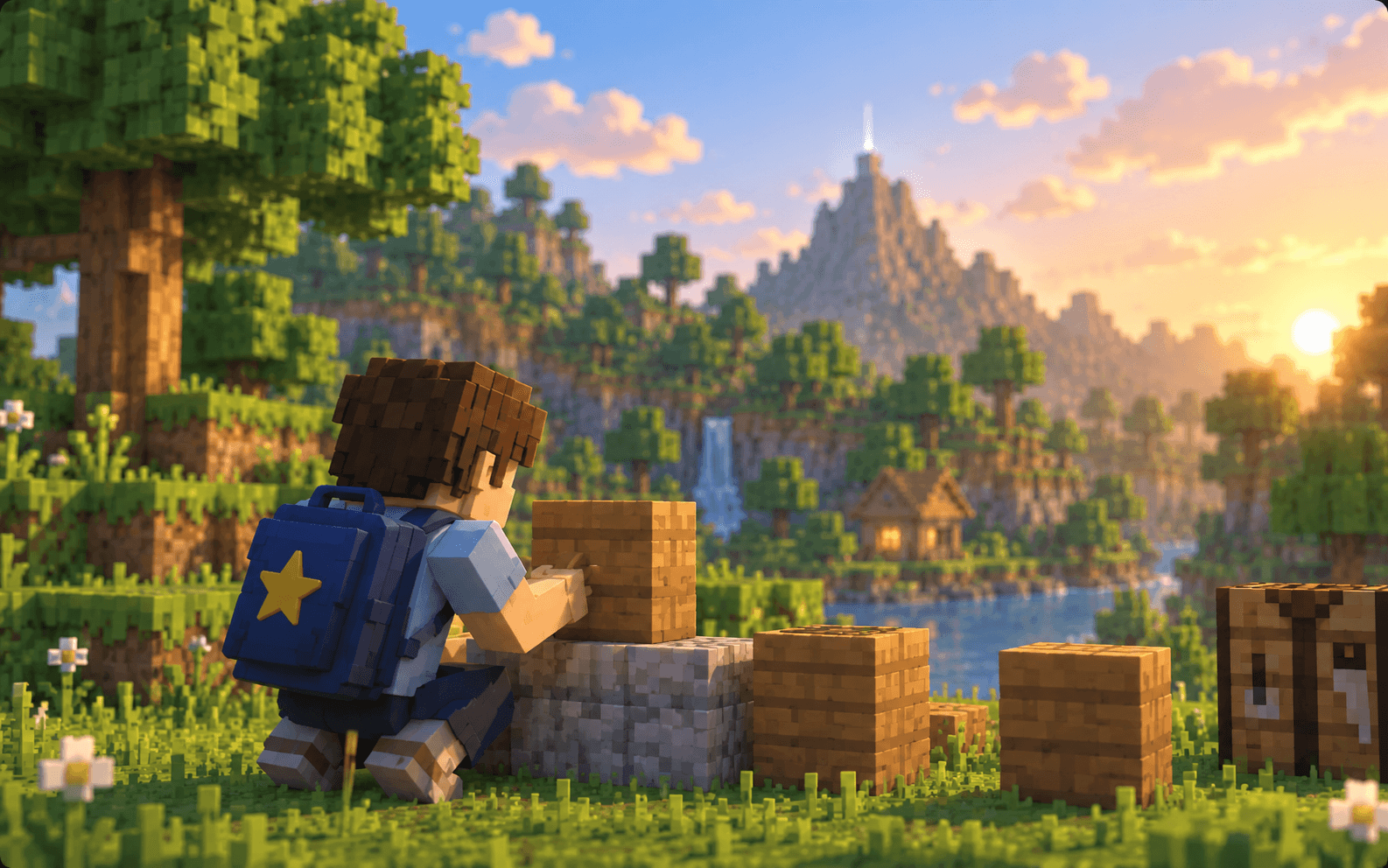
Observed as retry behaviour when a build collapses. A single construct, measured one way, so the result can be checked.
03
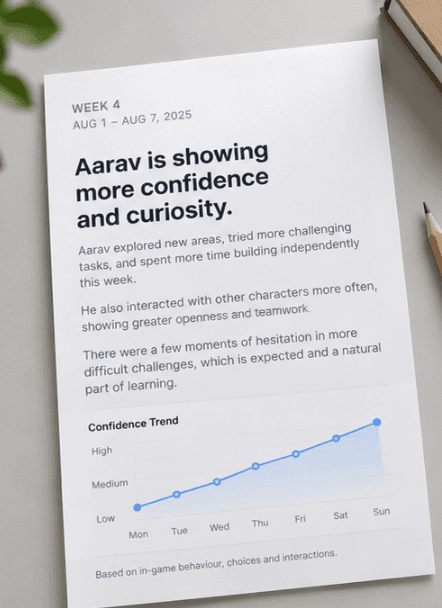
Behavioural semantics
Do in-game retry patterns relate to how a clinician rates persistence in the room? If they don’t, that is the finding.
WHAT WE OBSERVE — AND WHAT WE TEST
An event is not a conclusion.
Every signal we talk about has three parts. Only the first one is a fact.
01
Observable event
A player retries a challenge three times after it collapses. Recorded, timestamped, and visible to the family. This part is a fact.
02
Research hypothesis
Retry patterns may contain information about persistence in that task. This is what we are testing, not what we know.
03
Unresolved question
Whether that pattern relates to functioning outside the game. Until it is answered, no report will claim that it does.
One session
Twelve minutes. Two views.
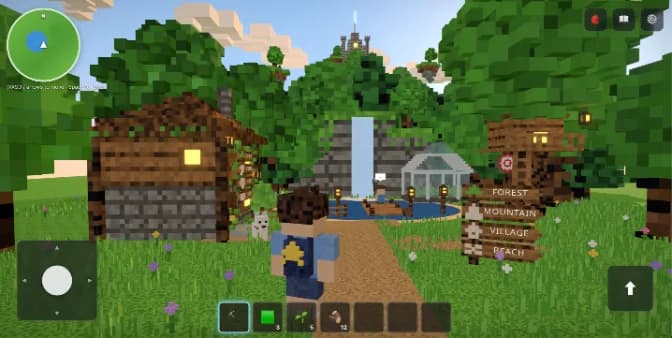
What the player sees
What we log
rec
00:00
Enters the world
session
01:40
Starts a build
build
04:12
Build collapses
event
04:19
Retry ×1
retry
05:03
Retry ×2
retry
08:30
Joins a peer build
social
11:58
Leaves the world
session
12:00
7 events · 0 interpretations
What we observe
Four observable events.
No settled interpretations.
Time on task
How long a player stays with a challenge before leaving it. Recorded and timestamped, not interpreted.
Proximity & joint builds
Who a player stands near and builds with. Whether that is choice or circumstance is an open question we do not claim to answer.
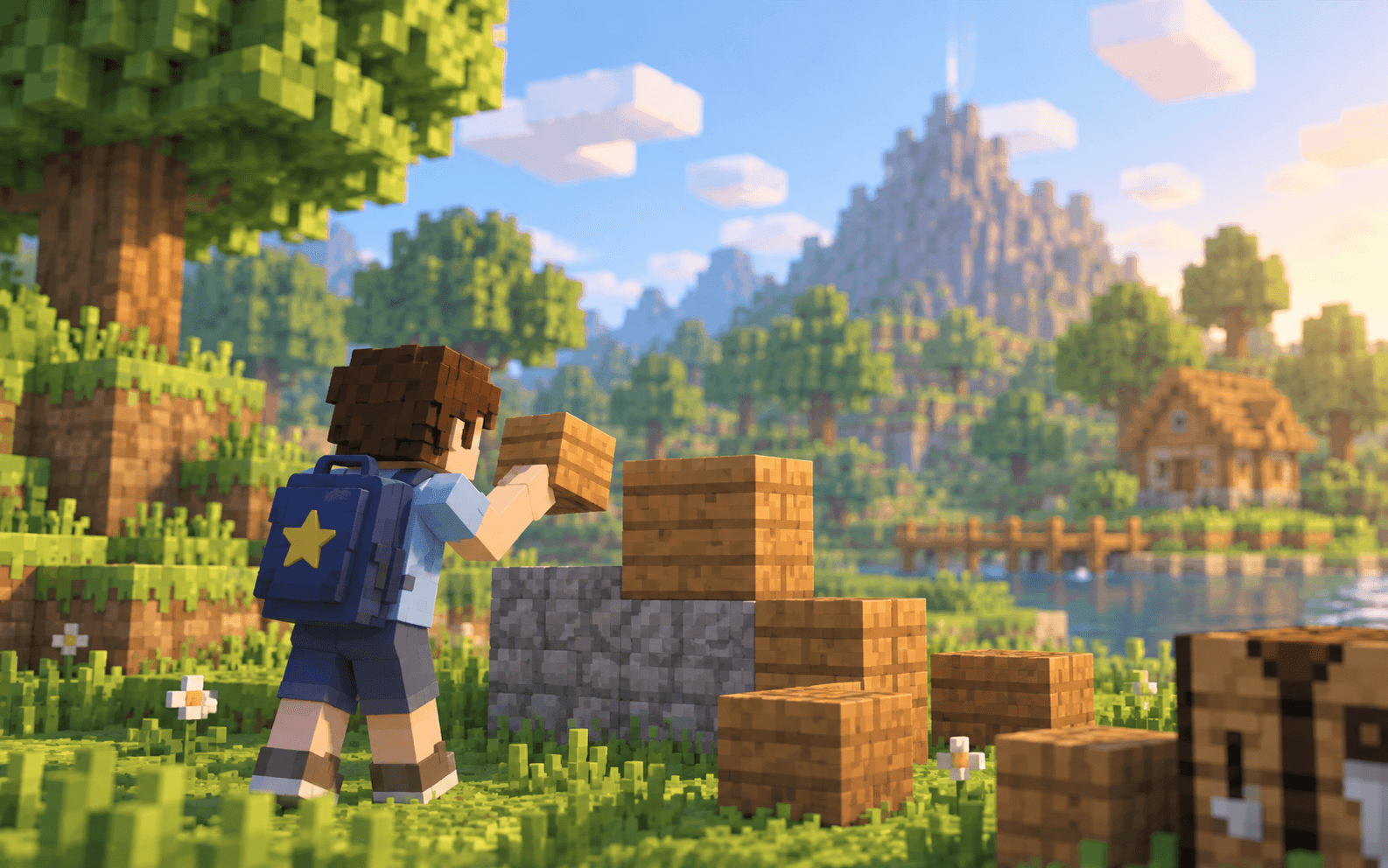
Retry after failure
What happens the second, third and fourth time a build collapses. Whether this reflects persistence is our first hypothesis.
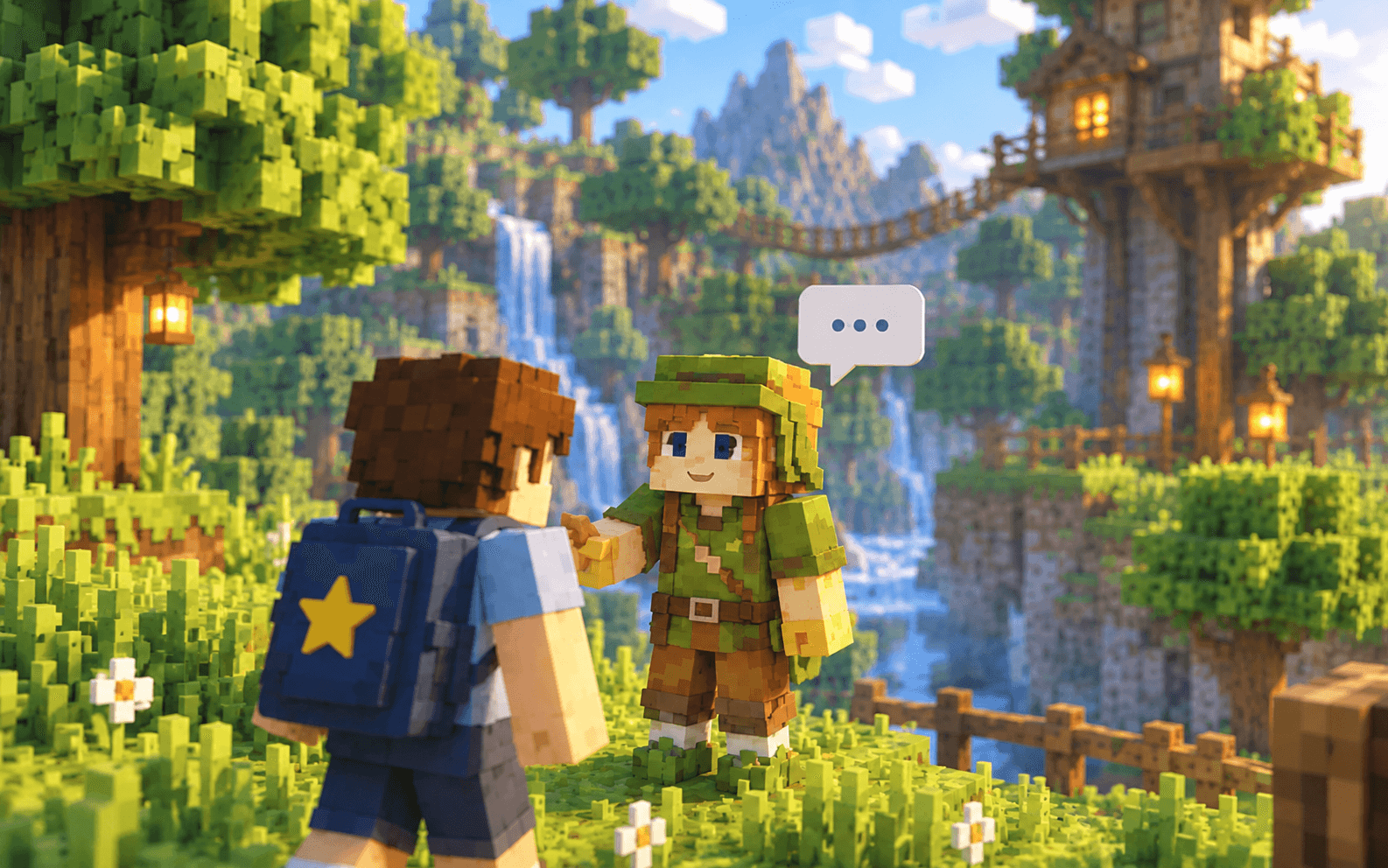
In-game speech
What players say to characters and how it changes over weeks. Transcripts are readable by the family.
Want the detail?
Read our methodsFAQs
Questions,
answered straight.
Not yet. Mores Health is a research program with a prototype. There is no paid offering, and there will not be one until there is evidence to support it.
No. We record events inside a game and report them. We do not diagnose or treat anything, and we do not claim to.
That we can record play events reliably inside a world we built. Whether those events mean anything outside the game is the question we are setting out to test.
Yes. Participation is explained to the child in their own terms before anything is recorded. Undisclosed monitoring is not part of this work.
The family, and the research team under the published protocol. We do not sell it and we do not advertise.
Clinicians and researchers to help design and run the first study, and families who want to follow the work and, when the time comes, take part.
Something we haven't addressed?
Ask usMores Health · Research through play
Help us ask the question properly.
We are looking for clinical and research partners for our first study, and for families who want to follow the work as it happens.